

The Category is…
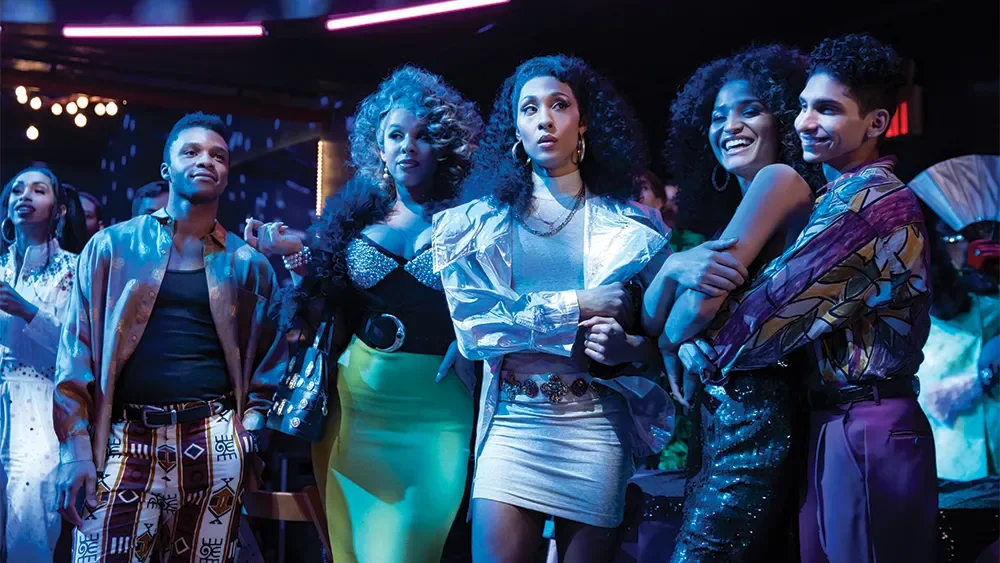
Pose FX
Ryan Murphy
POSE
LET’S TALK ABOUT IT!!!
Disclaimer: This blog is meant to bring awareness and start real conversations around important issues. It is not a replacement for professional medical or mental health care. Some of the topics discussed may be sensitive, including trauma, discrimination, and health disparities. Please read at your own pace and take care of yourself.
This drama television series is one of the BEST shows I think I have ever watched!
It gives a deep perspective into LGBTQ+ black and brown life back in the late 1980s - 1990s. We get a look at ballroom culture, house culture, sex work from a trans woman’s perspective, and a glimpse at the tragic violance and suffering during the AIDs epidemic.
This series stars Micheala Jae Rodriguez, Billy Porter, Evan Peters, and Indya Moore, and many other talented LGBTQ+ black and brown actresses/actors!
Something that surprised me in this show is how much I relate to trans women from a feminine perspective!
In one scene Blanca, Lulu, and Elektra go to the beach and you can tell how free and happy they were.

POSE FX

POSE FX
The hospital scenes during the AIDs outbreak broke my heart and showed how much the government did not care about LGBTQ+ black and brown people.
The thing that made me the most emotional was the showcase of love! All these children that had been abandoned by family. The people willing to take them in and make sure they were taken care of were angels!
Blanca ran the House of Evangelista her kids were Angel, Lil Papi, Damon, Ricky, and eventually Elektra who was her house mom at one point. As a parent Blanca kicked ass! She did everything a loving parent would do during some really hard situations.
I would like to say shame on those parents. I couldn’t imagine turning my back on my children or making them feel like they weren’t free to express themselves.
We should not be refugees from our own homes!
It breaks my heart!
Another reason I love this show is because it shows how bigoted people haven’t changed. Black and brown people still face discrimination in the healthcare system. You can really see how little things have changed.
It gives the viewer a look into family rejection a lot of black gay boys were shunned by their family. Even forced out of their homes. They were constantly told that who they NATURALLY felt they were was wrong.
So, if you’re looking for a show that slays and gives you stories uncut watch this series!
I think this show is a necessary watch for any parent and person that wants an understanding and perspective of trans and gay minority groups.
As parents we don't know what our child’s journey to becoming themselves will look like. It’s our job to give them a safe and happy childhood to the best of our abilities (in my opinion). And who knows you might learn something about yourself too.
Here are some sources present day and back in the 80s and 90s
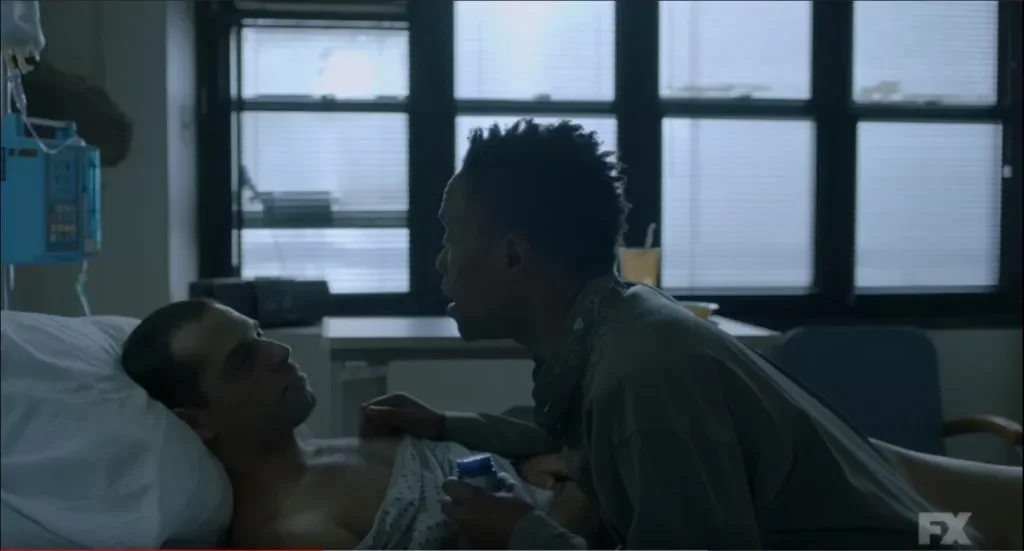
POSE FX
HIV/AIDS Crisis
In the 1980s–90s (when Pose is set), HIV/AIDS was often ignored by the government and heavily stigmatized, especially in Black, Latino, and LGBTQ+ communities.
Today, the impact is still unequal—transgender women and people of color remain disproportionately affected.
A CDC-related study found up to 42% of trans women in major U.S. cities are living with HIV, with even higher rates among Black trans women.
Research also shows 94% of trans women with HIV report experiencing stigma, and many face poverty and housing instability.
Trans Women’s Safety
Pose shows violence as a constant threat—and that’s still reality.
Trans women, especially trans women of color, face disproportionately high rates of violence and assault.
Studies show many also experience intimate partner violence, homelessness, and forced sex, increasing vulnerability.
Housing instability is a major issue—about 39% of trans women reported homelessness in a single year.
Chosen Family / Rejection
In Pose, “houses” exist because many LGBTQ+ people were rejected by their families.
That hasn’t gone away—family rejection is still a major cause of homelessness.
Research shows rejection by family and lack of support are key drivers of housing instability for trans individuals.
The chosen family continues to be a survival tool, especially for LGBTQ+ youth experiencing homelessness and poverty.
Healthcare Discrimination
Pose highlights how people were ignored or mistreated in hospitals during the AIDS crisis.
Today, discrimination still happens—about 1 in 3 LGBTQ+ adults report unfair treatment by a healthcare provider.
Among trans women with HIV, 1 in 5 report healthcare discrimination, often tied to gender identity or sexuality.
Discrimination leads to delays in care, mistrust, and worse health outcomes.
Mental Health
The show captures grief, fear, and resilience—but also the mental toll of being marginalized.
LGBTQ+ individuals today still experience higher rates of depression, anxiety, and suicidal ideation, largely due to discrimination and stress.
Among trans women with HIV, studies found 26% reported depression and 30% anxiety symptoms.
Mental health struggles are often connected to housing instability, violence, and lack of access to care.
Sources
HIV/AIDS Crisis
Present-day:
CDC – HIV Basics
HIV.gov – U.S. HIV Statistics Overview
NIH (PubMed Central) – HIV and Transgender Women Study
Historical context:
CDC – HIV and AIDS Timeline
HIV.gov – HIV and AIDS Timeline
Trans Women’s Safety
Present-day:
CDC MMWR – Transgender Women Health & Risk Data
Human Rights Campaign – Violence Against Transgender People Report
National Center for Transgender Equality – U.S. Trans Survey
Historical context:
National LGBTQ Task Force – Resources
Chosen Family / Rejection
Present-day:
True Colors United – LGBTQ Youth Homelessness
The Trevor Project – Research Briefs
Historical context:
Library of Congress – LGBTQ+ Pride Month Resources
Healthcare Discrimination
Present-day:
KFF – LGBTQ+ Health Disparities
NIH – Healthcare Discrimination Study
Historical context:
National Library of Medicine – Surviving and Thriving: AIDS Exhibition
Mental Health
Present-day:
NAMI – LGBTQ+ Mental Health
The Trevor Project – 2024 National Survey
Historical context:
American Psychological Association – LGBTQ+ History
