

It’s Not Just Personal: It’s Systemic
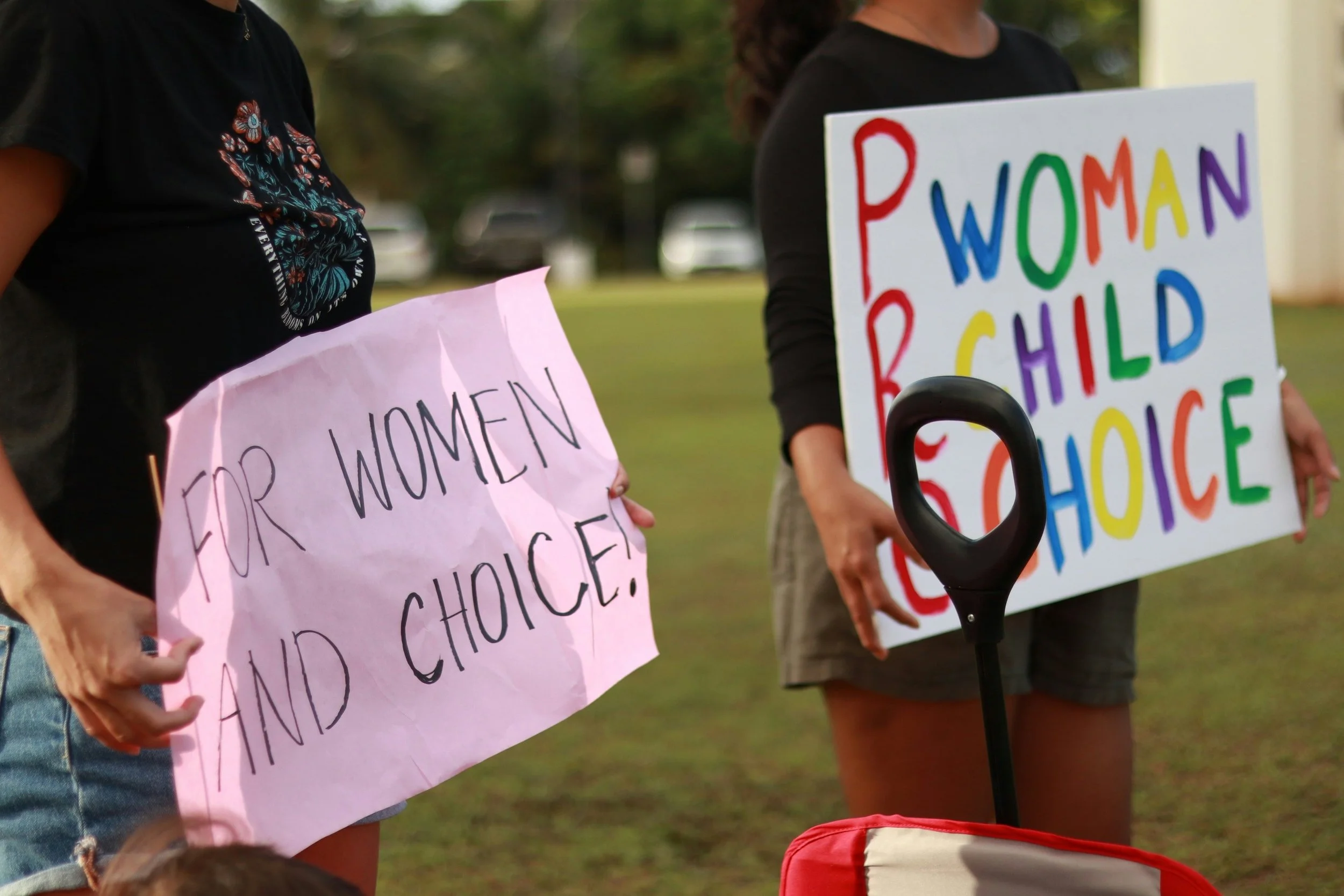
Some things I can’t stand about society is the constant need to force women into motherhood, womanhood, and the idea of what they think women should be.
All while refusing to give us proper mental health care, general health care, police protection/justice system processes.
Most of us are told from birth who we are destined to be, this is often a quiet, kind, wife in the kitchen. FUCK THAT.
While I am married with children. I refuse to conform to the old played out “American” version of what a woman is and/or could be.
One of the main reasons is because of the overwhelming proof that no matter how I present as a black woman I am in danger. Largely because of the discrimination in the systems I am subjected to.
How often are women misdiagnosed or not taken seriously when describing pain symptoms? (I urge you to look into it)
This can lead to delayed care or worse outcomes.
Specific data and trends highlight the scope of these disparities:
Intersectionality and Race: Women of color experience compounded barriers due to the overlap of racism and sexism. For example, Black women in the U.S. have historically faced the highest maternal mortality rates, often driven by historic biases and unaddressed structural racism. https://www.treatmentactiongroup.org/resources/tagline/tagline-november-2024/from-property-to-power-confronting-the-historic-roots-of-black-womens-health-disparities/
LGBTQ+ Experiences: Recent health surveys reveal that LGBTQ+ adults are twice as likely as cisgender, heterosexual adults to report negative experiences when receiving care. One in three reports being treated unfairly or with disrespect by a healthcare provider. https://www.kff.org/racial-equity-and-health-policy/lgbt-adults-experiences-with-discrimination-and-health-care-disparities-findings-from-the-kff-survey-of-racism-discrimination-and-health/
Avoidance of Care: Fear of discrimination—whether outright refusal of care, misgendering, or having legitimate symptoms dismissed—leads many in the LGBTQ+ community to avoid routine and emergency care altogether. https://hms.harvard.edu/news/studies-deepen-understanding-lgbtq-health-disparities
But I'm just supposed to focus on being a good wife and woman.
The thing that stands out to me the most is this isn’t a new thing. Women specifically black and brown women weren’t seen as human. White women were seen as not being strong or smart. Just a woman that should “make a sandwich” and raise the kids.
Women deserve SO much more than that!
Women that have to grow up in toxic households suffer from the plague that is misogyny almost immediately. We are victimized in the home first, whether it be a mother that is male centered and hates us, having a dad that looks down on women, or suffering from SA from family members.
When we have general health problems or mental health problems the care we receive is not what it should be and it's even worse if you are poor.
Again, Women deserve so much better than that, Especially black and brown women!!
If you’re someone who’s ever felt unheard or overlooked, I’ve created a Facebook page for open, real conversations about women’s experiences, mental health, and navigating systems that don’t always protect us. You’re welcome to join us there.
Facebook page: https://www.facebook.com/share/1CoevhnE2q/?mibextid=wwXIfr
Sources
Mental Health & Systemic Discrimination
A national study shows women, especially women of color and LGBTQ+ women, experience higher rates of discrimination across healthcare, employment, and violence, impacting mental health outcomes
https://pmc.ncbi.nlm.nih.gov/articles/PMC6864374/LGBTQ+ women report higher rates of harassment and violence, which is linked to anxiety, depression, and long-term mental health struggles
https://pmc.ncbi.nlm.nih.gov/articles/PMC6864374/
Healthcare System Failures
Women of color are more likely to avoid healthcare due to discrimination and lack of trust in the system
https://pmc.ncbi.nlm.nih.gov/articles/PMC6864374/Research shows healthcare systems often miss or fail to respond to signs of domestic abuse even when victims are repeatedly in contact with providers
https://www.theguardian.com/society/2025/jun/22/domestic-abuse-public-health-emergency-experts-critical-nhs-report
Police Protection & Justice System
Women often avoid reporting violence to police due to fear of discrimination, victim-blaming, or not being taken seriously
https://pmc.ncbi.nlm.nih.gov/articles/PMC6814672/Structural issues like police misconduct and bias discourage women, especially Black women, from seeking help
https://pmc.ncbi.nlm.nih.gov/articles/PMC6814672/The U.S. Department of Justice has acknowledged that gender bias can lead to failures in responding to domestic and sexual violence cases
https://www.justice.gov/archives/ovw/blog/joint-statement-office-community-oriented-policing-services-office-victims-crime-and-office
Domestic Violence System Gaps
Only about 56% of domestic violence incidents are reported to police, showing a major trust gap in the system
https://www.ojp.gov/library/publications/police-response-domestic-violence-2006-2015Even when reported, many cases do not result in meaningful action or protection
https://www.ojp.gov/library/publications/police-response-domestic-violence-2006-2015Earlier research shows historical reporting rates were as low as 6–14%, showing how long this issue has existed
https://www.ojp.gov/ncjrs/virtual-library/abstracts/stopping-violence-battered-women-police-utilization-and-police
Police Violence & Harm Toward Women
Research shows women, especially women of color, report experiences of police victimization and harm
https://www.sciencedirect.com/science/article/abs/pii/S009174351730419XSurvivors of domestic and sexual violence often report harmful or neglectful police responses that worsen trauma
https://www.sciencedirect.com/science/article/abs/pii/S009174351730419X
Big Picture
Research consistently shows gender, race, and identity intersect to create barriers in healthcare, policing, and mental health systems for women
https://pmc.ncbi.nlm.nih.gov/articles/PMC6814672/
